November 10, 2026
How to Handle a Leaking Roof Before It Causes Bigger Problems
By @roofleakrepairsite
Why a Leaking Roof Demands Quick Action
A roof that lets water inside is more than an inconvenience. Even a small drip can lead to stained ceilings, rotting wood, mold growth, and damaged insulation. The longer water sits, the more it spreads, and what starts as a single leak can turn into a structural issue. The key is to act quickly and methodically before the damage gets costly.
Many homeowners notice a leak only after water has already stained a ceiling or pooled on the floor. By that point, the source may be far from where the water appears. Water travels along roof decking, rafters, and drywall before it finally drips down. That is why a thorough approach matters: you need to find the true entry point, not just patch the visible spot.
First Steps When You Spot a Leak
If you see water inside, your first move is to contain it. Place a bucket or container under the drip to protect your floors and furniture. Then remove any valuables or electronics from the area. If the ceiling looks like it could bulge or collapse, poke a small hole with a screwdriver to let the water drain into your bucket. That can prevent a large section of wet drywall from crashing down later.
Once the immediate mess is under control, it is time to investigate the roof itself. But safety comes first. If your roof is steep, wet, or more than one story up, do not climb onto it. Work from a ladder or from inside the attic instead. In the attic, look for wet insulation, dark stains on the wood, or daylight shining through gaps. Follow the trail of water to its highest point on the roof deck to find the likely entry spot.
Common Causes of Roof Leaks
Roofs leak for many reasons, and knowing the cause helps you decide what to do next. Here are some of the most frequent problems:
- Damaged or missing shingles: Wind, hail, or age can crack, curl, or blow off shingles, leaving the underlayment exposed.
- Failed flashing: Flashing is the metal or rubber material used around chimneys, vents, and roof valleys. Over time it can pull away or rust, creating an open seam.
- Clogged gutters or downspouts: When water backs up behind debris, it can seep under the shingles at the edge of the roof.
- Cracked or dried sealant: The caulk or tar around vents, pipes, and skylights dries out in the sun and can split open.
- Ice dams in cold weather: Ice that builds up at the eaves can trap water on the roof, forcing it up under the shingles.
Identifying the specific cause on your roof takes a careful look. Sometimes the problem is obvious, like a missing shingle. Other times it is subtle, such as a small gap in the flashing that only shows up during a heavy rain.
Roof Inspection: The Foundation of Any Fix
Before you attempt any repair, you need a clear picture of what is wrong. A roof inspection means looking at the entire roof surface, not just the area around the leak. Check for loose or buckled shingles, rusted flashing, gaps around pipes, and any place where two roof planes meet. Pay special attention to valleys and the edges where the roof meets a wall or chimney.
If you are not comfortable on a ladder or roof, ask a professional to do the inspection. Many roofing companies offer a roof inspection service that covers the whole structure, not just the leak. That can reveal problems you might miss, such as deteriorated underlayment or small holes near the ridge.
During the inspection, note the type of roofing material you have. Asphalt shingles, wood shakes, metal panels, and flat roof membranes each have their own weak points. A metal roof, for example, often leaks at the seams where panels join. A flat roof usually leaks at the edges or around drains. Knowing your roof type helps you plan the right repair.
Practical Approaches to Roof Leak Repair
Once you have located the source, the next step is to fix it. The right method depends on the material and the size of the damage. For small holes or cracks in shingles, applying a quality roofing sealant can be a temporary solution. Clean the area first, let it dry, then apply the sealant according to the instructions. This will hold for a season or two but should not be considered permanent.
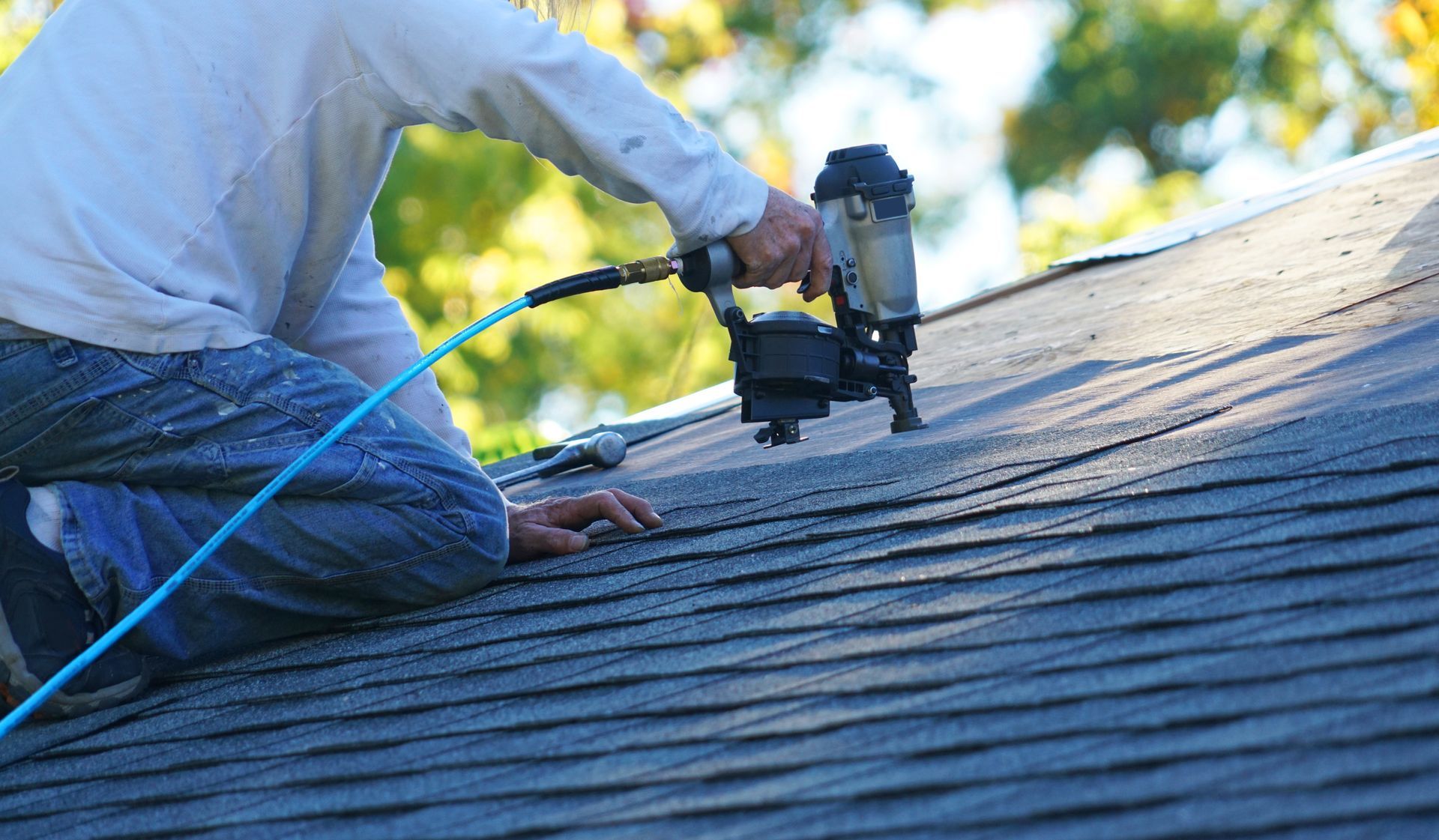
For more substantial damage, such as a missing shingle or a torn membrane, you may need to replace the damaged piece. Shingle replacement involves prying up the nails on the broken shingle, sliding a new one into place, and securing it with roofing nails. For a flat roof membrane, you cut out the damaged section and patch it with compatible material and adhesive. Flashing repair often requires removing old caulk, cleaning the joint, and applying new sealant or a flashing tape.
One common mistake is to apply sealant over a wet surface or during cold weather. The bond will be weak, and the repair will fail quickly. Always wait for dry conditions and moderate temperatures. Another mistake is to use a different material than what is already on the roof. Mixing asphalt and silicone products, for example, can cause chemical reactions that weaken the repair.
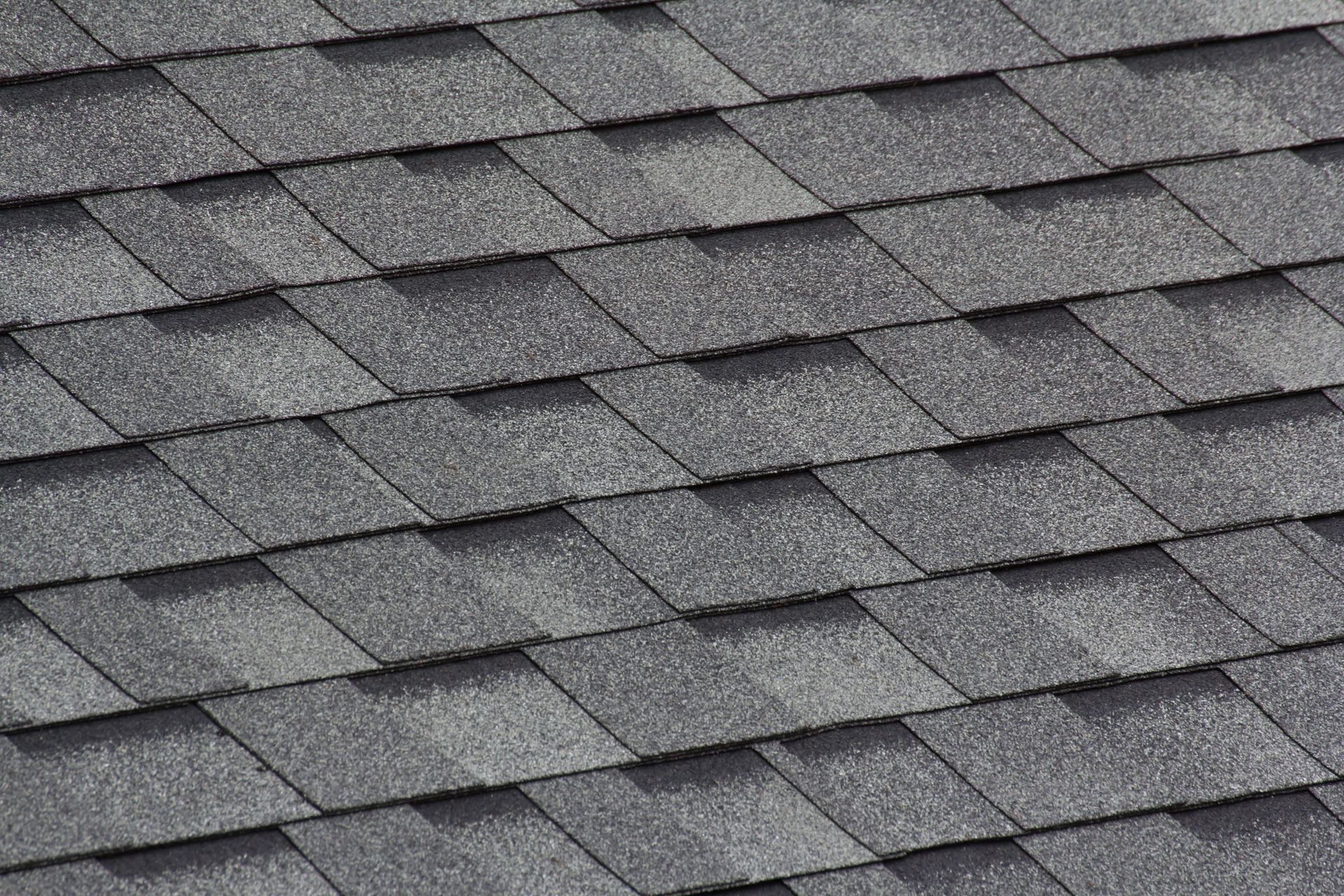
If the leak is caused by storm damage, the approach may differ. High winds can lift shingles or loosen flashing over a large area. In that case, a full inspection after the storm is essential because the damage may not be limited to one spot. Storm damage often requires a more extensive repair to restore the roof's integrity.
For those who prefer to leave the work to professionals, hiring a qualified roofer for roof leak repair is a wise investment. A good roofer will not only fix the leak but also check for other issues that could cause trouble later. They have the tools and experience to work safely and to match the repair to your specific roof type.
Flat Roofs and Metal Roofs: Special Considerations
Flat roofs are common on commercial buildings and some modern homes. They typically use a single-ply membrane such as EPDM, TPO, or PVC. Leaks in flat roofs often happen at the seams, around roof drains, or at the edge where the membrane attaches to the wall. Repairing a flat roof membrane usually involves cleaning the area, cutting a patch slightly larger than the damage, and bonding it with the correct adhesive or heat welding. Because flat roofs drain slowly, even a small leak can cause a large pool of water inside, so prompt action is important.
Metal roofs, on the other hand, are durable but have their own vulnerabilities. The main weak point is the seams where two panels overlap. Over time, the fasteners can loosen, and the seam sealant can dry out. Metal roof seams can be repaired by tightening the fasteners and reapplying sealant or by using a specialized tape. Another common issue is corrosion around fasteners or where two different metals touch. A simple sealant application can often stop a leak at a screw hole, but larger corrosion areas may need a panel replacement.
When to Call for Professional Help
Some leaks are straightforward enough for a handy homeowner to handle. A cracked shingle or a loose piece of flashing can be fixed with basic tools and materials from a home improvement store. But there are times when a professional roofer is the better choice. If the leak is in a hard-to-reach area, if the roof is steep or high, or if the damage covers a large area, the risk of injury or a poor repair goes up. Also, if you have tried a temporary fix and the leak continues, it may indicate a deeper problem that requires experience to diagnose.
Another sign that you need a pro is when the leak is caused by a structural issue, such as sagging decking or rotted rafters. Those problems go beyond simple patching and need a roofer or a carpenter to assess and fix. The same goes for leaks that involve the roof's flashing around a chimney or skylight. Those areas are tricky because they have to seal against both water and thermal expansion.
Preventing Future Leaks
Once the leak is fixed, take steps to keep it from coming back. Regular maintenance is the best defense. Clean your gutters and downspouts at least twice a year, especially after fall leaves drop and before winter. Trim tree branches that hang over the roof, since they can scrape the surface and drop debris. Inspect your roof after every major storm, looking for lifted shingles, dents in metal panels, or debris that could hold moisture.

It is also wise to have a professional roof inspection every few years. They can spot wear that you might not see from the ground, such as granule loss on shingles or small cracks in the membrane. Catching small problems before they become leaks saves money and stress.
Finally, keep records of any repairs or inspections you do. If you sell your home, a history of roof care can be a selling point. And if a leak does happen again, you will know what was done before and what might need a different approach.
A leaking roof is stressful, but it does not have to lead to major damage. By acting fast, finding the real source, and choosing the right repair method, you can keep your home dry and your roof in good shape for years to come.
❧